Coeur d’Alene Mining District: History, Silver Production & Modern Relevance
Introduction
The Coeur d’Alene Mining District stands as one of the most important silver-producing regions in the world. Located in northern Idaho, this district has produced over a billion ounces of silver and became known as the Silver Valley.
From the initial discoveries in the region in the 1880s to the 21st century the Coeur d’Alene mining district remains of relevance to historians, geologists, and investors. The history and nature of the district contain valuable insights into how mining districts develop and how silver mining stocks rise, and fall, to capitalize on discovery and development of silver deposits. Silver mining companies often emerge seeking to explore for prospective silver deposits or even to return to production former mines to take advantage of higher silver prices or modern mining techniques. Resource companies continue to explore the district whether seeking new discoveries or to return to production old mines.
The story of the rise and fall of Sterling Mining Company demonstrates the opportunity and risks of silver mining stocks. The company operated in the Coeur d’Alene Mining district and the Zacatecas Silver Mining district which is another key silver mining district.
Discovery and Early Mining Boom
The origins of the Coeur d’Alene Mining District trace back to the 1880s, when prospectors began exploring the rugged mountains of northern Idaho. Early discoveries of lead and silver quickly attracted attention, sparking a mining rush that transformed the region.
The First Discoveries
- Prospectors identified rich ore veins in the hills of north Idaho with difficult access and limited infrastructure
- As word spread, the district attracted more prospectors, investment, and by the late 1880s and 1890s several key mines were in operation producing Silver, Lead and Zinc becoming one of the most active mining areas in the United States
By the late 1880s and early 1890s, the district had become one of the most active mining areas in the United States.
Rapid Expansion
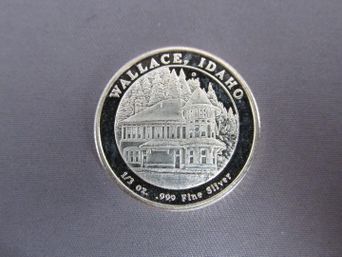
Mining camps grew into towns, and railroads were constructed to support the transport of ore. The region’s output began to rise rapidly, establishing its reputation as a major silver-producing region. The main town Wallace, Idaho grew in population and became home of prospectors and investors rushing to participate on the mining boom.
Geology: Favorable to large Silver Deposits
One of the key reasons for the district’s success lies in its unique geology
The Coeur d’Alene Mining District is known for: High-grade silver-lead-zinc deposits; Extensive vein systems running deep underground; often continuous mineralization across large areas than run deeper than many other silver mining districts in the world.
Notable Mines
Over the decades, the Coeur d’Alene Mining District several key mines emerged such as The Sunshine Mine, The Bunker Hill Mine, Galena Mine, The Lucky Friday Mine. The Lucky Friday mine of Hecla Mining and the Galena Mine of Americas Gold and Silver are both producing and owned by publicly traded companies. The Bunker Hill Mine, also owned by a publicly traded company, is in development for a return to production. The Sunshine Mine, operated by Sunshine Silver and Refining is projected to return to production by 2030, and it is certainly possible an initial public offering (IPO) may be in the offing to list the company on a major stock exchange.
Total Production
The district has produced over a billion ounces of silver, and large quantities of lead and zinc.This level of output places it among the most productive silver districts in history. The Sunshine Mine alone has produced 360 million ounces of silver since 1884.
Challenges and Conflicts
Like many mining regions, the Coeur d’Alene Mining District experienced periods of conflict and difficulty:
Labor Disputes
Environmental Issues
Intensive mining led to environmental challenges, including soil and water contamination, tailings and waste management issues, with in later years cleanup efforts have been made include stricter regulation requiring such efforts.
20th Century Evolution
As the mining industry evolved, so did the Coeur d’Alene Mining District.
Technological Advancements
- Improved mining techniques allowed deeper extraction
- Mechanization increased efficiency
- Better safety standards were implemented
Market Cycles
The district’s activity fluctuated with metal prices:
Periods of high silver prices led to increased production, and often speculative companies seeking to find and develop new mines ; downturns resulting into mine closures, reduced activity.
Connection to Companies Like Sterling Mining
The legacy of the Coeur d’Alene Mining District continued into the modern era through companies attempting to revive historic assets.
One example is Sterling Mining, which sought to bring the Sunshine Mine back into production. This reflects a broader pattern in the mining industry of smaller companies seeking prior-producing mines , or nearby unexplored mining claims, to advance towards production.
- Historic mines are often revisited during favorable market conditions
- New companies attempt to find new deposits or re-evaluate old mines for a return to production.
Modern-Day Relevance
Today, the Coeur d’Alene Mining District remains active and relevant, and much of the district has not been systematically explored with modern technological advances hence new deposits may be found, and older deposits and mines formerly considered uneconomic may be economic with current silver prices,
Investment Perspective
For investors, the Coeur d’Alene Mining District offers several important insights. Key publicly traded companies in teh district today are Hecla Mining , Americas Gold and Silver , and Bunker Hill Mining. Privately-owned Sunshine Silver Mining and Refining may go public in the future and worth keeping an eye on.
Why Investors Pay Attention
- Proven history of high-grade production
- Established infrastructure
- Continued exploration potential
Key Considerations
- Mining projects are capital-intensive
- Commodity prices heavily influence profitability
- Operating experience and expertise critical for successful developing and operating mines
The district’s long history demonstrates both the opportunities and risks associated with mining investments.
Why the District Still Matters
The Coeur d’Alene Mining District history and current news offers insights derived from
- Past production success
- Present-day mining activity
- Future exploration potential
For those studying mining history or analyzing silver markets, the district provides a valuable case study in longevity and resilience.
Conclusion
The Coeur d’Alene Mining District is still one of the most significant silver-producing regions in the world. The history of the district is marked by boom-and-bust cycles, labor and environmental challenges and adaptation, and for investors the silver mining stocks of the region that are active represent potential opportunities, and those not operating a history offering examples of great reward or great risk.
For investors, historians, and industry observers, understanding the Coeur d’Alene Mining District is important to understanding the broader story of silver mining, and the nature of investing in silver mining stocks.